How to Unrepost on Instagram: Quick Guide to Remove Reposts (2025)
Have you ever shared someone’s post to your Instagram feed and then regretted it? Whether it’s a mistake, outdated content, or simply doesn’t align with your brand anymore, knowing how to unrepost on Instagram is essential for maintaining a clean and professional profile.
In this comprehensive guide, you’ll learn everything about how to unrepost on Instagram, including step-by-step instructions, common issues, and expert tips to manage your shared content effectively.
What Does “Unrepost” Mean on Instagram?
Before diving into the removal process, let’s clarify what unreposting actually means. When you repost content on Instagram—whether it’s a photo, video, or Reel from another user—it appears on your profile as if you originally created it. How to unrepost on Instagram simply means removing that shared content from your feed.
Instagram doesn’t have a native “repost” button like Twitter or Facebook, so users typically repost content through:
- Third-party reposting apps
- Manual screenshots and reposts
- Instagram Stories sharing (which automatically disappears after 24 hours)
- Sharing posts to your feed with credit
Each method requires a slightly different approach when you want to remove the reposted content. For more detailed information about Instagram’s content sharing features, you can always refer to Instagram’s official guidelines to ensure you’re following platform best practices.
Why You Might Need to Unrepost Content
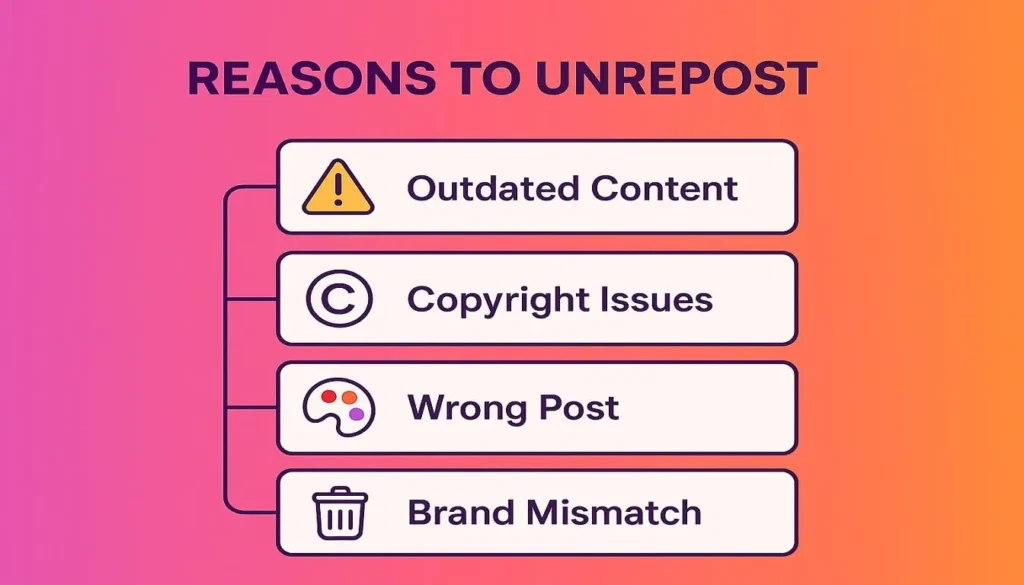
Understanding how to unrepost on Instagram becomes important for several reasons:
1. Content No Longer Relevant
Your business focus or personal interests may have evolved, making previously shared content outdated or irrelevant to your current audience.
2. Copyright or Permission Issues
Sometimes you discover that you didn’t have proper permission to share someone’s content, or the original creator requests removal.
3. Brand Alignment
The reposted content no longer matches your brand aesthetic, messaging, or values.
4. Mistaken Reposts
Accidentally sharing the wrong post happens to everyone. Knowing the removal process helps you fix errors quickly.
5. Feed Curation
Many Instagram users periodically clean their feeds to maintain a cohesive visual aesthetic or theme.
6. Engagement Concerns
If a reposted piece performs poorly or receives negative feedback, you may want to remove it to protect your engagement metrics.
How to Unrepost on Instagram: Step-by-Step Methods
Now let’s explore the exact process of how to unrepost on Instagram depending on how you originally shared the content.
Method 1: Deleting Reposted Feed Posts
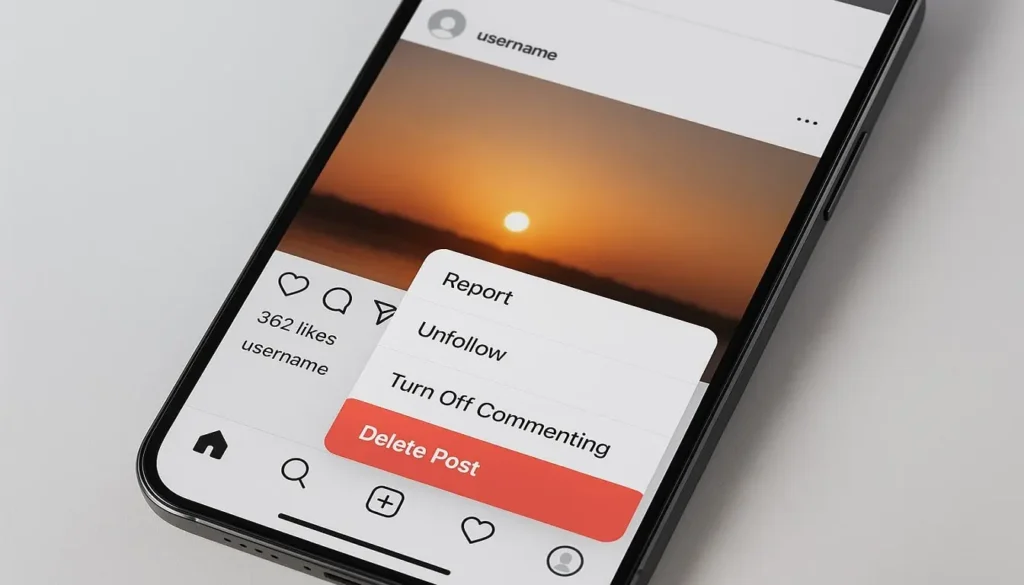
If you used a third-party app or manually reposted content to your main Instagram feed, here’s the removal process:
Step 1: Open the Instagram app on your mobile device and navigate to your profile by tapping your profile picture in the bottom right corner.
Step 2: Scroll through your feed to locate the reposted content you want to remove.
Step 3: Tap on the post to open it in full-screen view.
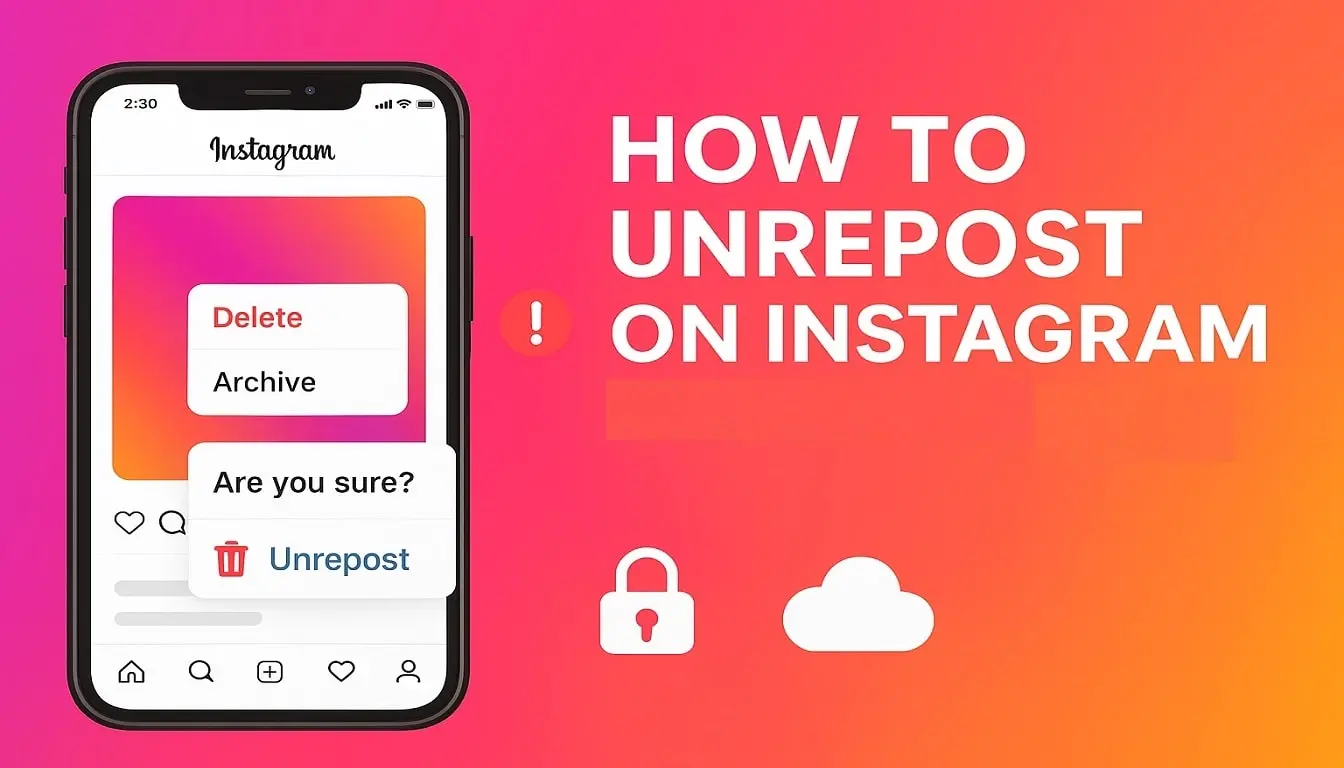
Step 4: Look for the three-dot menu icon (⋯) in the top right corner of the post and tap it.
Step 5: From the menu options that appear, select “Delete.”
Step 6: Instagram will ask you to confirm the deletion. Tap “Delete” again to permanently remove the reposted content from your profile.
Important Note: Once you delete a post, it’s permanently removed and cannot be recovered. Make sure you’re certain before confirming the deletion.
Method 2: Removing Reposted Stories
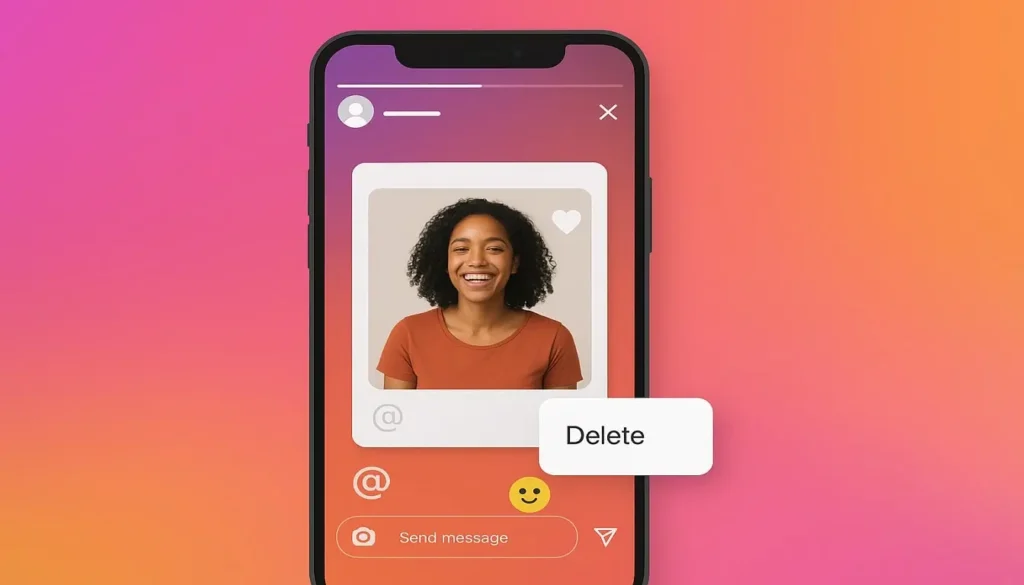
Instagram Stories that include shared posts automatically disappear after 24 hours, but if you want to remove them sooner, here’s how to unrepost on Instagram Stories:
Step 1: Open Instagram and tap your profile picture or swipe right to access your Stories.
Step 2: Find the Story containing the reposted content.
Step 3: Tap the three-dot menu (⋯) in the bottom right corner of your Story.
Step 4: Select “Delete” from the menu options.
Step 5: Confirm by tapping “Delete” again.
Your reposted Story will immediately be removed from your profile and won’t be visible to your followers anymore.
Method 3: Unreposting from Instagram Reels
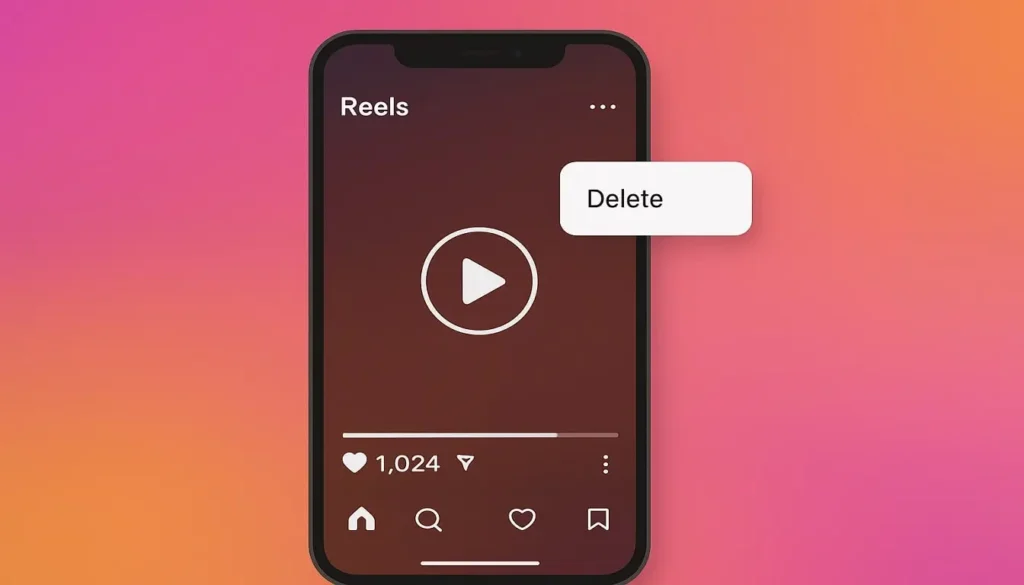
If you’ve shared someone’s Reel to your profile, the deletion process is identical to regular feed posts:
Step 1: Go to your Instagram profile and tap the Reels tab (the film icon).
Step 2: Find the reposted Reel you want to remove.
Step 3: Tap on it to open, then select the three-dot menu.
Step 4: Choose “Delete” and confirm your decision.
Understanding how to unrepost on Instagram Reels is crucial since these video posts often generate significant engagement and visibility.
Method 4: Removing Reposted Content from Guides
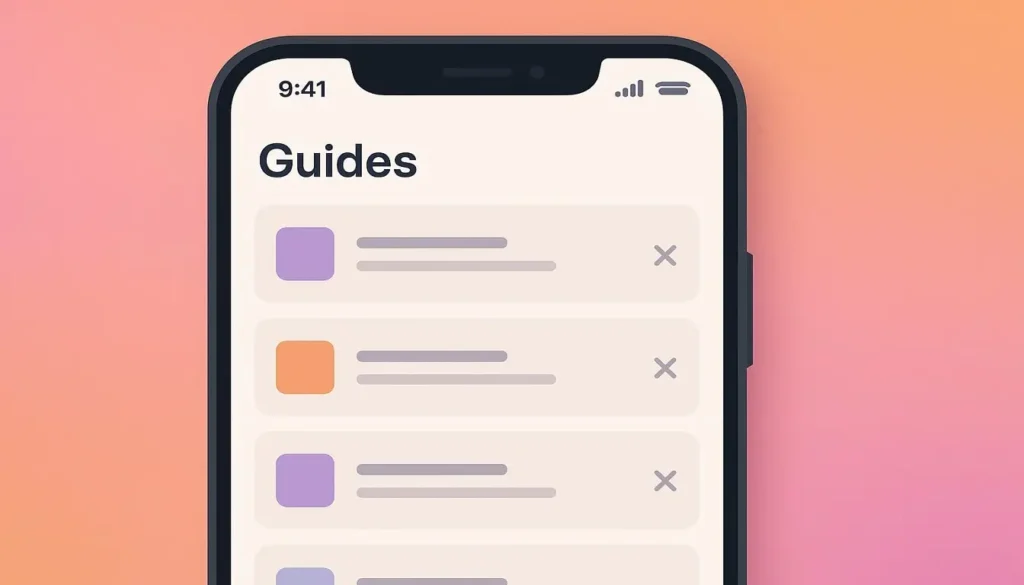
If you’ve added reposted content to an Instagram Guide, here’s the removal process:
Step 1: Navigate to your profile and tap the menu icon (three horizontal lines).
Step 2: Select “Guides” from the menu.
Step 3: Open the Guide containing the reposted content.
Step 4: Tap “Edit” in the top right corner.
Step 5: Find the reposted post and tap the “X” or minus icon to remove it.
Step 6: Tap “Done” to save your changes.
Common Issues When Trying to Unrepost
Many users encounter problems when learning how to unrepost on Instagram. Here are the most common issues and their solutions:
Issue 1: Can’t Find the Delete Option
Solution: Make sure you’re viewing the post from your own profile, not from someone else’s feed or explore page. The delete option only appears on posts you’ve shared to your account.
Issue 2: Post Won’t Delete
Solution: Check your internet connection. A stable connection is required to delete posts. If the problem persists, try closing and reopening the Instagram app, or uninstalling and reinstalling it.
Issue 3: Accidentally Deleted the Wrong Post
Solution: Unfortunately, Instagram doesn’t offer an “undo” function for deleted posts. However, if you have the original content saved on your device, you can repost it. Going forward, double-check before confirming deletions.
Issue 4: Reposted Content Still Appears in Search
Solution: Instagram’s search indexing can take several hours to update. The reposted content should disappear from search results within 24-48 hours after deletion.
Issue 5: Third-Party App Complications
Solution: If you used a third-party reposting app, the content lives on your Instagram profile as a regular post. Simply follow the standard deletion process outlined above. The third-party app doesn’t control the content once it’s posted.
Best Practices for Managing Reposts
Mastering how to unrepost on Instagram is just one part of effective content management. Follow these best practices to avoid future issues:
1. Always Ask Permission First
Before reposting anyone’s content, reach out to the original creator for explicit permission. This prevents awkward situations where you must remove content later.
2. Give Proper Credit
When you repost, always tag the original creator and provide clear attribution in your caption. This builds goodwill and reduces the likelihood of removal requests. Additionally, developing a comprehensive Instagram marketing best practices strategy helps ensure your reposting approach aligns with industry standards and maintains positive relationships with content creators.
3. Keep Records
Maintain a spreadsheet or document tracking what you’ve reposted, when you shared it, and who gave permission. This organization helps you manage your content library effectively.
4. Regular Feed Audits
Schedule quarterly reviews of your Instagram content. Remove outdated reposts that no longer serve your brand or audience. Knowing how to unrepost on Instagram makes these audits quick and painless.
5. Use Instagram’s Native Features
Whenever possible, use Instagram’s built-in sharing features like sharing to Stories with mentions, rather than third-party apps. This creates clearer attribution and easier content management.
6. Create Original Content
While reposting can supplement your content strategy, prioritize creating original posts. This eliminates concerns about permissions, copyright, and the need to unrepost later.
7. Set Repost Expiration Dates
When planning reposts, decide in advance how long they’ll remain on your profile. Set calendar reminders to review and potentially remove them after a specific period.
Alternative Solutions to Unreposting
Sometimes you don’t need to completely remove reposted content. Consider these alternatives to learning how to unrepost on Instagram:
Archive Instead of Delete
Instagram’s Archive feature lets you hide posts from your profile without permanently deleting them:
- Open the reposted content
- Tap the three-dot menu
- Select “Archive”
- The post disappears from your feed but remains accessible in your Archive folder
This option is ideal when you’re unsure about permanent deletion or want to maintain engagement data.
Edit the Caption
If your issue with reposted content is the messaging rather than the content itself, simply edit the caption:
- Open the post
- Tap the three-dot menu
- Select “Edit”
- Modify the caption and tags as needed
- Tap “Done”
Turn Off Comments
If negative feedback on a repost is the problem, disable comments instead of removing the entire post:
- Access the post
- Tap the three-dot menu
- Select “Turn Off Commenting”
Hide from Profile Grid
Instagram allows you to hide specific posts from your main grid while keeping them on your profile:
- This feature is particularly useful for reposted content that performs well but doesn’t match your aesthetic
- Users can still access it through direct links or your chronological feed
How to Prevent Repost Problems
The best way to master how to unrepost on Instagram is to avoid situations requiring removal in the first place:
Develop a Reposting Policy
Create clear guidelines for what types of content you’ll share, how you’ll credit creators, and when you’ll remove reposts. Document this policy and stick to it consistently.
Use Content Calendars
Plan your reposts in advance using a content calendar. This strategic approach ensures you’re only sharing relevant, timely content that aligns with your brand.
Build Relationships with Creators
Establish ongoing partnerships with content creators whose work you frequently share. These relationships make permission requests smoother and reduce the likelihood of removal demands.
Monitor Performance
Track how reposted content performs compared to original posts. If reposts consistently underperform, adjust your strategy rather than repeatedly dealing with how to unrepost on Instagram.
Stay Updated on Instagram Policies
Instagram regularly updates its features and policies. Stay informed about changes that might affect content sharing and removal processes.
Tools and Apps for Managing Instagram Content
Several tools can help you manage your Instagram content and streamline the process when you need to understand how to unrepost on Instagram:
1. Later
This social media management platform offers content planning, scheduling, and analytics features. It helps you track what you’ve posted and when, making it easier to identify reposts that need removal.
2. Hootsuite
Hootsuite provides comprehensive Instagram management, including content libraries where you can organize reposted content and set reminders for review dates.
3. Planoly
Planoly’s visual planner shows your entire Instagram grid, making it easy to spot reposted content that doesn’t fit your aesthetic and needs removal.
4. Buffer
Buffer offers scheduling and analytics features, plus team collaboration tools that help multiple people manage reposted content consistently.
5. Instagram’s Native Insights
Don’t overlook Instagram’s built-in analytics. Professional and Business accounts can access detailed performance data to help you decide which reposts to keep or remove.
Impact of Unreposting on Your Instagram Account
Understanding the consequences is important when learning how to unrepost on Instagram:
Engagement Metrics
Deleted posts remove all associated engagement (likes, comments, shares) from your account totals. This can impact your overall engagement rate and reach.
Algorithm Effects
Frequently deleting and reposting content can confuse Instagram’s algorithm. The platform may interpret this behavior as spammy or inconsistent, potentially reducing your content’s visibility.
Follower Perception
Constantly removing content might make your audience question your authenticity or reliability. Strategic, occasional unreposting is fine, but excessive deletion can damage trust.
Audit Trail
Once you delete reposted content, there’s no record it ever existed on your profile (except in Instagram’s backend systems). Consider archiving instead if you need to maintain documentation.
Legal Considerations for Reposting and Unreposting
When learning how to unrepost on Instagram, be aware of these legal aspects:
Copyright Law
Reposting copyrighted content without permission, even with credit, can violate copyright law. If you receive a copyright complaint, knowing how to unrepost on Instagram quickly is essential to avoid legal issues.
Fair Use Doctrine
Fair use may protect some reposting, but it’s complex and situation-dependent. Understanding copyright fair use principles is crucial when deciding what content you can legally repost and when you must remove it. When in doubt, ask permission or be prepared to remove content promptly.
Terms of Service
Both Instagram’s Terms of Service and individual creators’ stated policies govern what you can legally repost. Violating these terms may result in content removal or account suspension.
DMCA Takedown Requests
If a creator files a DMCA takedown notice against your reposted content, Instagram will remove it automatically. Understanding how to unrepost on Instagram voluntarily prevents this more serious intervention.
The Future of Reposting on Instagram
As Instagram continues evolving, the process of how to unrepost on Instagram may change:
Native Repost Features
Instagram has tested native repost buttons similar to Twitter’s retweet feature. If implemented, this would change both how we repost and how to unrepost on Instagram.
Enhanced Content Attribution
Future updates may include better attribution systems that automatically credit original creators and make removal processes more streamlined.
Creator Protections
Instagram is developing more robust tools for creators to control how their content is shared and to request removal more easily when necessary.
AI Content Detection
Advanced AI systems may soon help identify unauthorized reposts automatically, making the question of how to unrepost on Instagram even more relevant.
Conclusion
Mastering how to unrepost on Instagram is an essential skill for anyone managing an Instagram presence, whether personal or professional. This guide has covered everything from the basic deletion process to advanced strategies for managing reposted content effectively.
Remember these key takeaways:
- Always delete from your own profile, not from the explore feed or someone else’s page
- Consider archiving instead of permanent deletion when appropriate
- Get permission before reposting to minimize future removal needs
- Regular content audits help maintain a professional, cohesive profile
- Once deleted, reposted content cannot be recovered
By following the methods and best practices outlined in this comprehensive guide, you’ll confidently handle any situation requiring you to remove shared content from your Instagram account.
Whether you’re cleaning up your feed, addressing copyright concerns, or simply refining your content strategy, knowing exactly how to unrepost on Instagram empowers you to maintain full control over your social media presence in 2025 and beyond.
Ready to clean up your Instagram profile? Start by identifying which reposted pieces no longer serve your brand, then follow the step-by-step instructions above to remove them efficiently and effectively.
Frequently Asked Questions
Can I recover a deleted repost?
No, once you delete a reposted piece of content, it’s permanently removed from Instagram’s servers and cannot be recovered. Always double-check before confirming deletion.
Does the original creator get notified when I unrepost their content?
No, Instagram doesn’t send notifications to original creators when you remove reposted content from your profile. However, they may notice if they regularly check who shares their work.
How long does it take for an unreposted item to disappear completely?
The content disappears from your profile immediately after deletion, but it may remain in Instagram’s cache and search results for up to 48 hours.
Will unreposting affect my follower count?
Deleting a single repost typically won’t impact your follower count. However, if you remove large amounts of content frequently, followers might notice and potentially unfollow.
Can I unrepost content from my Instagram business account differently?
No, the process of how to unrepost on Instagram is identical for personal, creator, and business accounts. All account types follow the same deletion procedure.
What happens to comments on a repost after I delete it?
All comments, likes, and other engagement metrics are permanently deleted along with the post. This data cannot be recovered.
Is there a limit to how many posts I can delete at once?
Instagram doesn’t allow bulk deletion. You must remove each reposted item individually by following the steps outlined above for how to unrepost on Instagram.
Can someone else delete my repost?
No, only you can delete content from your account (unless Instagram removes it for policy violations). Not even the original content creator can delete your repost—they can only request that you remove it.
how to unrepost on Instagram.