Instagram Affiliate Marketing for Beginners: Make Money in 2025
Have you ever wondered how Instagram influencers make thousands of dollars promoting products they love? The secret isn’t magic—it’s Instagram affiliate marketing, and you can start doing it too, even with a small following.
Instagram affiliate marketing is one of the most accessible ways to monetize your social media presence in 2025. Whether you have 500 followers or 50,000, you can earn commissions by recommending products to your audience. The best part? You don’t need to create your own products, handle inventory, or deal with customer service.
In this comprehensive guide, you’ll discover everything you need to know about Instagram affiliate marketing—from choosing the right programs to creating content that converts. By the end, you’ll have a clear roadmap to start earning your first affiliate commission on Instagram.
Let’s dive in.
Table of Contents
What Is Instagram Affiliate Marketing?
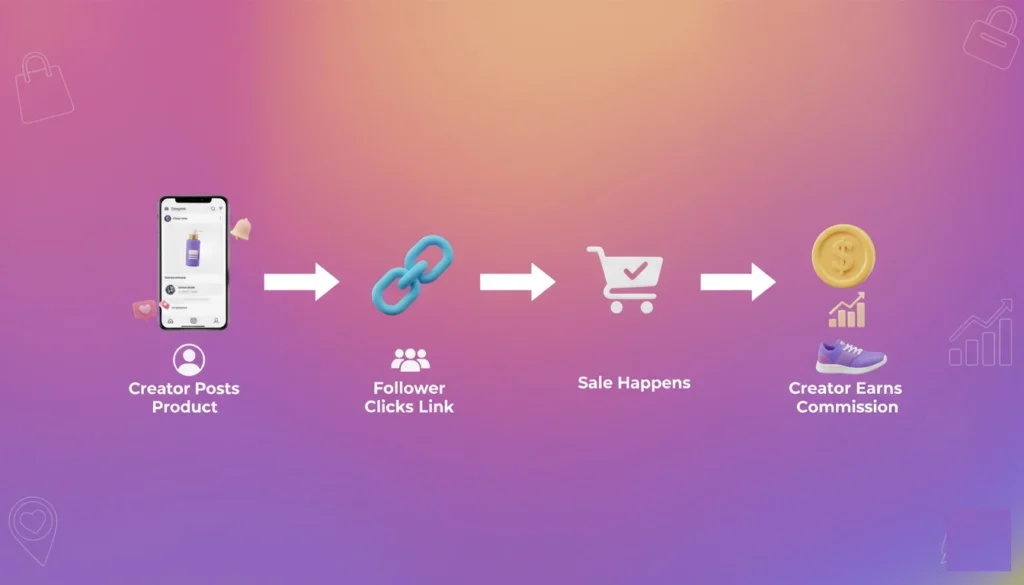
Instagram affiliate marketing is a performance-based business model where you earn commissions by promoting other companies’ products or services to your Instagram followers. Here’s how it works:
You partner with brands through affiliate programs, receive unique tracking links, share those links with your audience through posts, Stories, or bio, and when someone purchases through your link, you earn a percentage of the sale.
Think of yourself as a bridge between brands and consumers. You’re essentially getting paid to recommend products you genuinely believe in. The transaction happens seamlessly—your followers click your link, make a purchase, and you receive a commission without any additional work.
What makes Instagram particularly powerful for affiliate marketing is its visual nature. Unlike text-based platforms, Instagram allows you to showcase products through high-quality images, engaging videos, and authentic Stories. This visual storytelling creates trust and drives higher conversion rates.
The earning potential varies widely. Beginners might make $100-500 per month, while experienced affiliate marketers can generate $5,000-20,000+ monthly. Some top Instagram affiliates even earn six figures annually. Your income depends on factors like your niche, audience size, engagement rate, and the commission structure of programs you join.
Why Instagram Is Perfect for Affiliate Marketing in 2025
Instagram has evolved into a shopping powerhouse with over 2 billion active users worldwide. The platform’s features are specifically designed to support e-commerce and affiliate marketing, making it the ideal place to build your affiliate business.
Instagram Shopping Features: The platform now offers native shopping tags, product stickers in Stories, and Instagram Shop—all designed to create seamless purchasing experiences. Users can discover, browse, and buy products without ever leaving the app.
High Engagement Rates: Instagram consistently delivers higher engagement rates compared to Facebook, Twitter, or LinkedIn. Users actively seek product recommendations and trust influencer opinions, creating the perfect environment for affiliate promotions.
Multiple Content Formats: You’re not limited to just feed posts. Instagram offers Stories, Reels, IGTV, Live videos, and carousel posts—each format serving different purposes in your affiliate strategy. This variety keeps your content fresh and reaches different segments of your audience.
Mobile Shopping Trend: Over 70% of Instagram users access the platform via mobile devices, and mobile shopping continues to surge. Instagram’s mobile-first design aligns perfectly with modern consumer behavior, making impulse purchases easier than ever.
Trust and Authenticity: Instagram users follow accounts because they genuinely like the content and trust the creator. This built-in trust translates directly into higher conversion rates for affiliate products. When you recommend something, your followers listen.
The platform’s algorithm also favors engaging content, meaning great affiliate posts can reach beyond your existing followers through Explore pages and hashtags, exponentially increasing your earning potential.
How Much Money Can You Make with Instagram Affiliate Marketing?
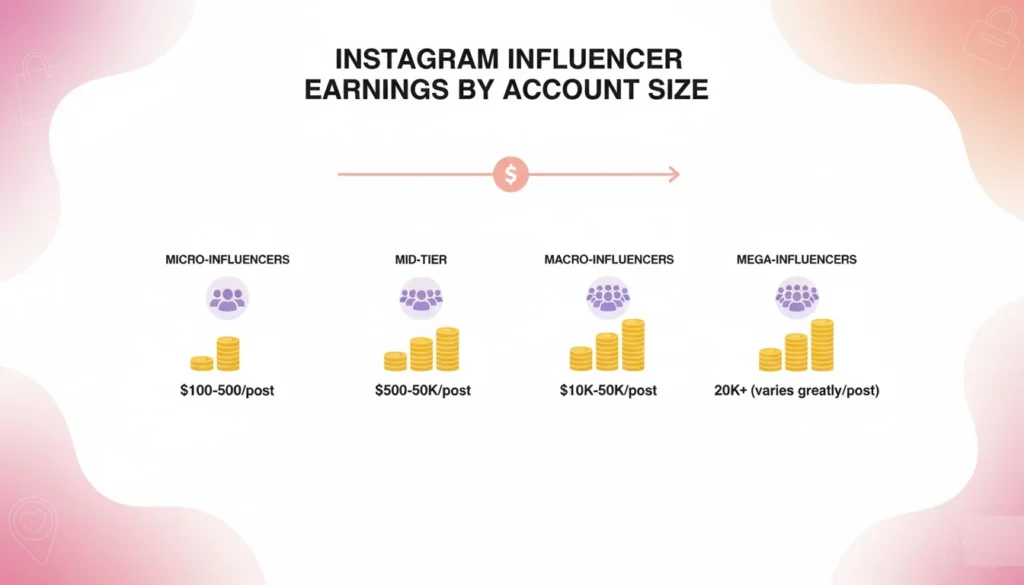
Let’s talk numbers. Your Instagram affiliate Marketing income depends on several factors, but here’s a realistic breakdown based on follower count and engagement.
Small Accounts (500-5,000 followers): Don’t underestimate micro-influencers. With 2-5% engagement rates, you can earn $100-500 monthly. The key is having a highly engaged, niche audience. A fitness account with 2,000 dedicated followers can outperform a generic account with 10,000 disengaged followers.
Mid-Tier Accounts (5,000-50,000 followers): This is where income becomes substantial. Expect $500-3,000 monthly with consistent effort. At this level, you can negotiate higher commission rates and exclusive partnerships with brands.
Large Accounts (50,000-500,000 followers): Creators at this tier often earn $3,000-15,000+ monthly from affiliate marketing alone. You become attractive to premium affiliate programs and can command higher rates.
Mega Influencers (500,000+ followers): Top Instagram affiliates in this category generate $15,000-100,000+ monthly. They typically diversify across multiple revenue streams, but affiliate commissions remain a significant portion.
Commission Structures Matter: Fashion and beauty products typically offer 5-20% commissions. Digital products and software can pay 20-50% commissions. High-ticket items like courses or electronics might pay 10-30%. Physical products on Amazon usually range from 1-10%.
A realistic example: If you have 10,000 followers with 3% engagement rate, that’s 300 engaged users. If just 1% (30 people) purchase a $50 product with 10% commission monthly, you earn $150. Scale that across multiple products and higher engagement, and you quickly reach $1,000+ monthly.
The secret isn’t just follower count—it’s about building genuine relationships with your audience and strategically promoting products they actually need.
Step 1: Choose Your Profitable Niche

Your niche is the foundation of your Instagram affiliate Marketing success. Trying to be everything to everyone is the fastest way to fail. Instead, focus on a specific area where you have knowledge, passion, and an audience willing to buy.
Most Profitable Instagram Niches for 2025:
Health and Fitness: Supplements, workout equipment, fitness programs, and activewear have massive demand. People invest heavily in their health, making this a lucrative niche with commissions ranging from 10-40%.
Beauty and Skincare: This evergreen niche offers endless product opportunities. From skincare routines to makeup tutorials, beauty affiliates consistently earn high commissions (15-25%) with loyal audiences.
Fashion and Accessories: Style influencers thrive here. With fast fashion and sustainable brands both growing, there’s room for every approach. Commission rates typically range from 5-20%.
Personal Finance: Credit cards, investment apps, budgeting tools, and courses offer some of the highest commissions (often $50-200 per referral). This niche requires building significant trust but pays incredibly well.
Technology and Gadgets: Tech enthusiasts have audiences who love upgrading their devices. Commissions range from 1-10% but with higher-priced items, earnings add up quickly.
Home and Interior Design: Home improvement, furniture, and décor have exploded on Instagram. This niche offers 5-15% commissions and passionate audiences.
Travel: Although competitive, travel affiliates can earn through booking sites, travel gear, and experience packages. Commissions vary widely from 3-10%.
Parenting and Baby Products: New parents actively seek recommendations. Baby products, educational toys, and parenting courses offer solid commissions (10-20%).
How to Choose YOUR Niche:
Ask yourself three questions. First, what am I genuinely interested in? Passion sustains you through the initial months when growth is slow. Second, do people in this niche actually buy products online? Check if successful affiliate accounts exist in this space. Third, can I create consistent content about this topic? You’ll need to post regularly—make sure you won’t run out of ideas.
The sweet spot is where your interests, market demand, and profit potential intersect. Don’t just chase money—choose a niche you can authentically represent for the long term.
Step 2: Find and Join the Best Affiliate Programs
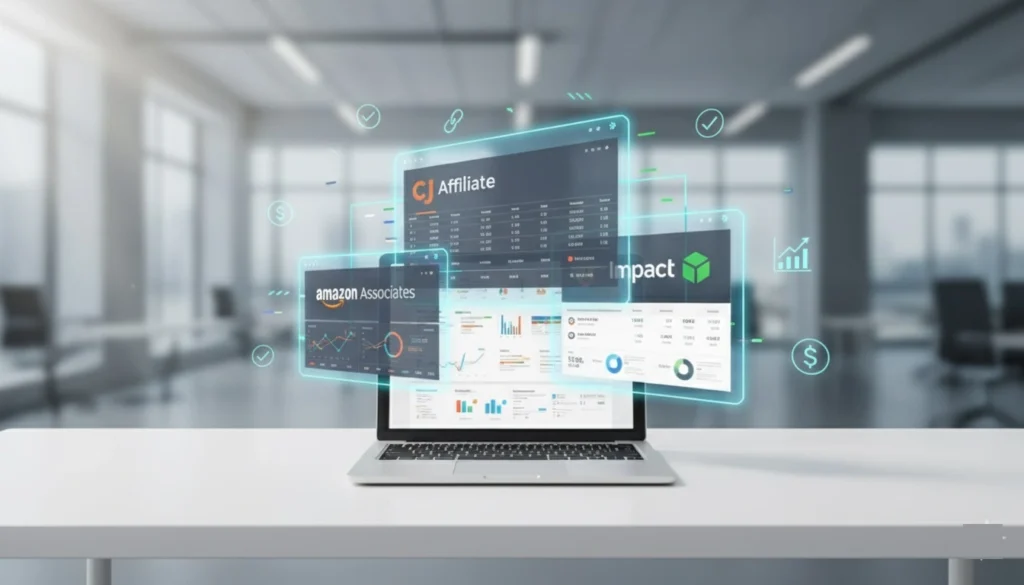
Once you’ve chosen your niche, it’s time to find affiliate programs that align with your content and audience. Not all programs are created equal—some offer better commissions, support, and resources than others.
Types of Affiliate Programs:
Direct Brand Programs: Many companies run their own affiliate programs. Fashion brands like ASOS, Revolve, and Gymshark have popular programs. Benefits include higher commissions, exclusive products, and direct brand relationships. Sign up directly through brand websites, usually in the footer under “Affiliate Program” or “Partners.”
Affiliate Networks: These platforms connect you with thousands of brands in one place. Major networks include ShareASale (diverse products, easy approval), CJ Affiliate/Commission Junction (premium brands, higher commissions), Rakuten Advertising (big-name retailers), Impact (tech and SaaS companies), and Awin (international brands, great for European markets).
Amazon Associates: The world’s largest affiliate program offers millions of products. Pros include trusted brand, huge product selection, and easy linking. Cons include lower commissions (1-10%), shorter cookie duration (24 hours), and strict policies. Amazon works well for product reviews and comparison content.
Digital Product Platforms: ClickBank and JVZoo specialize in digital products like courses and ebooks with higher commissions (often 30-75%). These work well if your audience seeks educational content.
Top Affiliate Programs by Niche for 2025:
For Fashion, consider RewardStyle/LTK (15-20% commissions, influencer-focused), ASOS (7-10% commissions, trendy fast fashion), and Nordstrom (2-5% commissions, high-end fashion).
For Beauty and Skincare, look at Sephora Affiliate Program (5-10% commissions, premium beauty), Ulta Beauty (5% commissions, drugstore to high-end), and CeraVe and The Ordinary (individual brand programs with 10-15% commissions).
For Fitness and Health, Myprotein (8-12% commissions, supplements and activewear), Bodybuilding.com (7% commissions, fitness equipment), and Beachbody (25% commissions, workout programs) are excellent choices.
For Technology, Best Buy Affiliate Program (1% commissions, electronics), Apple (1-3% commissions, high-ticket items), and B&H Photo Video (1-4% commissions, photography gear) work well.
For Home and Lifestyle, Wayfair (5-7% commissions, furniture and décor), Target (1-8% commissions, everyday products), and West Elm (5-8% commissions, modern furniture) are solid options.
How to Get Approved:
Create a professional Instagram profile before applying. Include a clear bio, consistent posting schedule, and quality content. Many programs require at least 500-1,000 followers and regular engagement. Be honest in your application about your audience size and engagement. Explain why you’re a good fit for their brand and how you plan to promote their products.
Start with 3-5 programs in your niche. Once you understand what converts, expand strategically. Quality over quantity always wins.
Step 3: Set Up Your Instagram Account for Affiliate Success
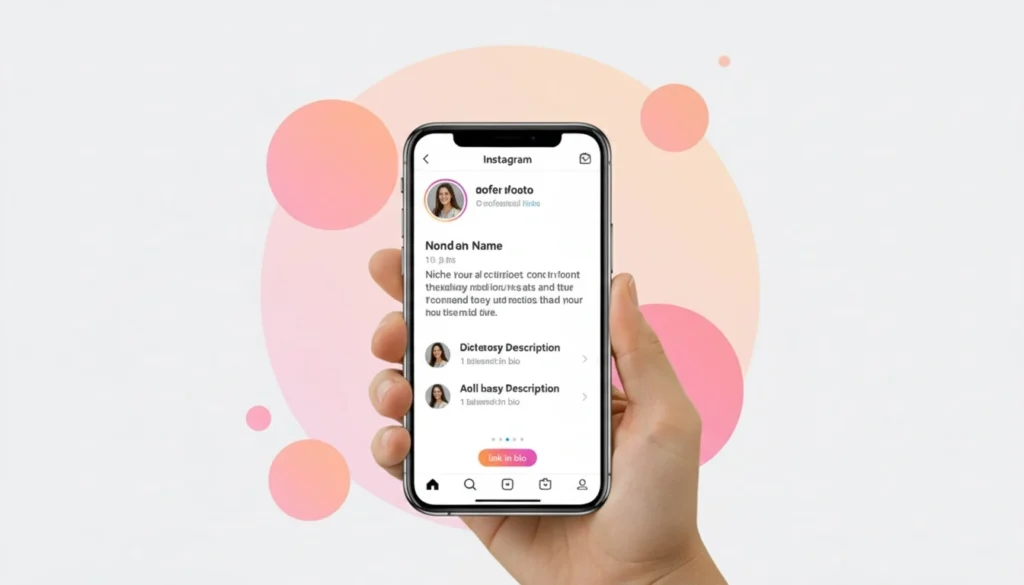
Your Instagram profile is your storefront. It needs to clearly communicate who you are, what value you provide, and how followers can access your affiliate recommendations.
Optimize Your Instagram Bio:
Your bio has 150 characters to make an impression. Use this formula: What you do + Who you help + Call-to-action.
Examples: “Fitness Coach | Helping busy moms get fit at home | Shop my favorites 👇” or “Skincare Enthusiast | Reviews & routines for glowing skin | My top products ⬇️”
Include relevant keywords for searchability. If you’re in the fashion niche, use terms like “style tips,” “fashion finds,” or “outfit inspiration.”
The Link in Bio Strategy:
Instagram only allows one clickable link in your bio, so make it count. Use link-in-bio tools to house all your affiliate links in one place.
Best Link-in-Bio Tools:
Linktree (Free and paid plans, simple setup, basic analytics), Beacons (Creator-focused, includes monetization tools, visually appealing), Stan Store (Built for creators, includes checkout features, higher price point but powerful), and Milkshake (Mobile-first design, card-based layout, simple and clean).
Create categories within your link page like “Current Favorites,” “Beauty Must-Haves,” “Fitness Gear,” and “Amazon Finds.” Update this regularly to reflect your latest content and promotions.
Switch to a Business or Creator Account:
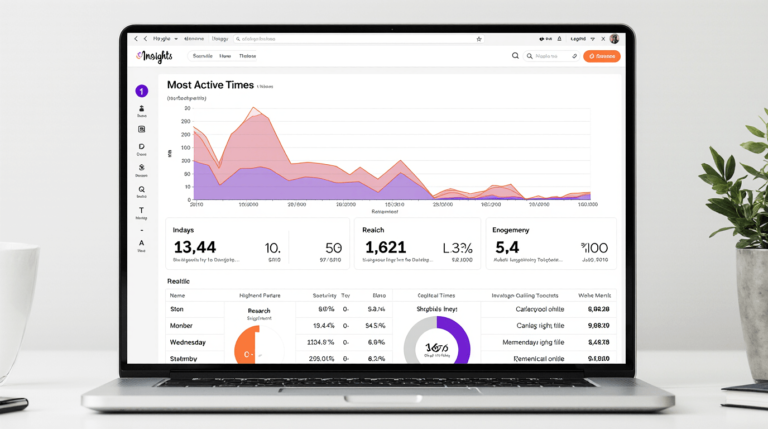
Business and Creator accounts unlock Instagram Insights, which shows detailed analytics about your audience and content performance. You can also add contact buttons and run ads if needed. Switch in Settings > Account > Switch to Professional Account.
Create Consistent Branding:
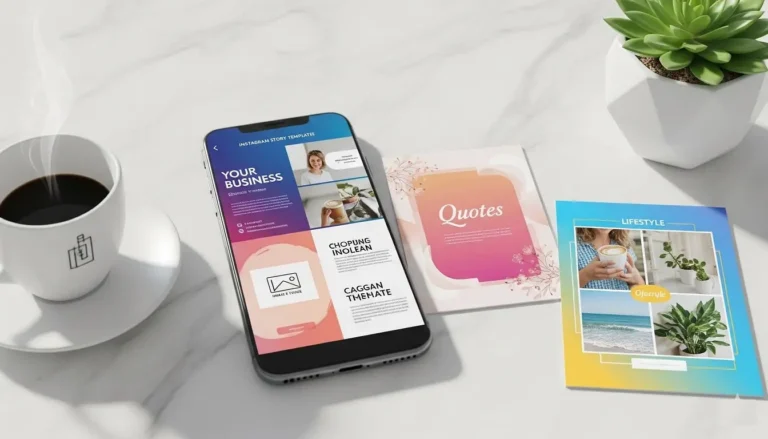
Use the same filters or editing style for all posts to create a cohesive aesthetic. Maintain consistent colors that reflect your niche and appeal to your target audience. Stick to 2-3 fonts maximum for stories and graphics. Create branded templates for Stories using Canva—this builds recognition and trust.
Craft a Content Strategy:
Plan your content mix: 60% value-driven content (tips, tutorials, education), 30% personal/behind-the-scenes (builds connection), and 10% direct promotional content (affiliate links).
Post consistently—aim for 4-7 feed posts weekly and daily Stories. Consistency builds trust and keeps you top-of-mind when followers are ready to buy.
Your profile should instantly communicate credibility and value. First impressions matter, so invest time in making your account look professional and trustworthy.
Step 4: Create High-Converting Affiliate Content
Content is where the magic happens. Your ability to create engaging, authentic content directly impacts your affiliate earnings. Here’s how to create posts that convert followers into customers.
Types of Affiliate Content That Work:
Product Reviews and Demonstrations: Show the product in action. Create before-and-after photos for skincare, fitness, or home products. Share honest opinions—mention both pros and cons to build credibility. Film unboxing videos or first-impression stories. Use carousel posts to show multiple angles and features.
Tutorial and How-To Posts: Teach your audience something valuable while naturally incorporating affiliate products. “5-Minute Makeup Routine” featuring specific products, “My Morning Skincare Routine” showing each product you use, or “How I Organize My Closet” featuring storage solutions you link to.
Lifestyle and Inspirational Posts: Show products integrated into your daily life. “What’s in my gym bag” posts, “Work-from-home setup” photos, “Sunday reset routine” videos. These feel less salesy and more relatable, increasing trust and conversion rates.
Comparison Posts: “Best Budget vs. Luxury Skincare,” “Amazon Dupes for Designer Items,” or “Testing 5 Popular Fitness Apps.” Comparison content gets high engagement and provides clear value while promoting multiple affiliate products.
Seasonal and Trending Content: Capitalize on holidays, seasons, and trends. “Summer Essentials,” “Holiday Gift Guide,” “Back-to-School Favorites,” or jumping on viral trends with product recommendations.
Story-Based Content: Share personal stories about how a product solved a problem for you. “I struggled with acne until I found this serum,” or “This planner changed how I organize my life.” Story-driven content creates emotional connections that drive purchases.
Writing Captions That Convert:
Start with a hook that stops the scroll. Ask questions, share surprising facts, or make bold statements. “I wasted $300 on skincare before finding this $15 product,” or “This $20 Amazon find replaced my $200 gym membership.”
Provide value before asking for action. Share tips, insights, or personal experiences. Then naturally transition to your recommendation.
Include clear calls-to-action. Tell people exactly what to do: “Tap the link in my bio to shop,” “Save this post for later,” or “Swipe up to get 10% off” (if you have 10k+ followers).
Use hashtags strategically—10-15 relevant hashtags to increase discoverability. Mix popular hashtags with niche-specific ones.
Creating Instagram Stories That Convert:
Stories are your most powerful affiliate tool. They’re temporary, feel more authentic, and allow direct links (with 10k+ followers) or sticker links.
Use the poll sticker to increase engagement: “Which product should I review next?” Use the question sticker to answer common objections. Share day-in-the-life content featuring your affiliate products naturally. Create highlight reels for different product categories—this gives new followers easy access to your recommendations.
Instagram Reels for Affiliate Marketing:
Reels are Instagram’s fastest-growing feature with the highest reach potential. Create quick product demonstrations (15-30 seconds). Jump on trending audio but make it relevant to your niche. Show before-and-after transformations. Create “5 Amazon Must-Haves Under $25” type content.
Hook viewers in the first 2 seconds. The first frame determines whether someone keeps watching or scrolls past.
Quality Content Checklist:
Use high-quality images—natural lighting beats expensive cameras. Show products in context, not just product shots. Be authentic—don’t promote products you haven’t tried or don’t believe in. Disclose affiliate relationships clearly with #ad or #affiliate to maintain trust and comply with regulations. Focus on benefits over features—tell people what the product will do for them, not just what it is.
Remember: Your audience follows you for value, not constant sales pitches. Build trust through consistently helpful content, and affiliate sales will naturally follow.
Step 5: Grow Your Instagram Following
More engaged followers equals more potential affiliate sales. Growing your audience strategically is essential for long-term affiliate success.
Organic Growth Strategies:
Post Consistently: Aim for 4-7 feed posts weekly and daily Stories. Consistency signals to the algorithm that you’re an active, valuable account. It also keeps you top-of-mind with your audience.
Use Strategic Hashtags: Research hashtags in your niche with 10k-500k posts—these have good reach without being oversaturated. Mix popular hashtags with niche-specific ones. Create a branded hashtag for your community. Rotate hashtag sets to avoid appearing spammy to Instagram’s algorithm.
Engage Actively: Spend 30-60 minutes daily engaging with accounts in your niche. Leave thoughtful comments (not just emojis) on posts from target audience members. Respond to every comment on your posts within the first hour. Reply to all DMs—this builds relationships and increases engagement metrics.
Collaborate with Others: Partner with accounts of similar size for shoutouts or collaborations. Join Instagram engagement pods or groups in your niche. Participate in challenges and tag relevant accounts. Feature user-generated content and tag the creators.
Leverage Instagram Features:
Use all of Instagram’s features—the algorithm favors accounts that do. Post Reels regularly (highest reach potential). Go Live occasionally to boost engagement. Create Instagram Guides to organize affiliate content. Use Instagram Shopping if eligible.
Create Shareable Content:
Content that gets shared reaches new audiences exponentially. Create infographics with valuable information. Post relatable memes in your niche. Share inspirational quotes that resonate with your audience. Make carousel posts with swipeable value.
Optimize Your Posting Times:
Use Instagram Insights to see when your audience is most active. Generally, best times are 6-9 AM, 12-1 PM, and 7-9 PM, but this varies by niche and audience.
Run Giveaways Strategically:
Partner with brands (affiliate partners) for giveaways. Require participants to follow, like, comment, and tag friends. Ensure prize is relevant to your niche to attract your ideal audience. Follow Instagram’s promotion guidelines to avoid violations.
Cross-Promote on Other Platforms:
Share your Instagram content on Pinterest with links back to your profile. Post teaser content on TikTok directing people to Instagram. Share valuable content in Facebook groups (without being spammy). Include your Instagram handle in your email signature and YouTube descriptions.
Quality Over Quantity:
A thousand engaged followers are more valuable than 10,000 ghost followers. Focus on attracting people genuinely interested in your niche. Avoid follow/unfollow tactics and buying followers—these hurt engagement rates and violate Instagram’s terms.
Growing your account takes time, but with consistent effort and valuable content, you’ll build an engaged community that trusts your recommendations and converts to affiliate sales.
Step 6: Track Performance and Optimize for Results
Successful affiliate marketing requires constant monitoring and optimization. You can’t improve what you don’t measure.
Key Metrics to Track:
Click-Through Rate (CTR): How many people click your affiliate links divided by how many see them. A good CTR is 2-5% for Instagram. Low CTR means your content or call-to-action needs improvement.
Conversion Rate: Percentage of clicks that result in sales. Average is 1-3% for most affiliate programs. Low conversion might indicate poor product-audience fit or pricing issues.
Earnings Per Click (EPC): Total earnings divided by total clicks. This helps identify your most profitable content and products.
Engagement Rate: Likes, comments, and shares divided by followers. Aim for 3-6% for micro-influencers, 1-3% for larger accounts. High engagement indicates content resonates with your audience.
Follower Growth Rate: Track weekly and monthly growth. Sudden drops might indicate algorithm changes or content issues.
Tools for Tracking:
Use affiliate dashboard analytics provided by each program to see clicks, sales, and commissions. Instagram Insights shows reach, impressions, engagement, and audience demographics. Link-in-bio tools like Linktree provide click data for each link. Google Analytics can track traffic from Instagram to external websites if you have a blog or landing page. Pretty Links or Bitly for link tracking and management.
A/B Testing Strategies:
Test one variable at a time. Try different call-to-actions: “Link in bio” vs. “Shop now” vs. “Get yours.” Experiment with content formats: carousel vs. single image vs. video. Test posting times to find when your audience is most responsive. Try different caption lengths—some audiences prefer short and punchy, others want detailed information.
Optimization Tactics:
Double down on what works. If product reviews get more clicks than lifestyle posts, create more reviews. If morning posts outperform evening posts, adjust your schedule.
Stop promoting products with low conversion rates. Not every product resonates with every audience—focus on winners.
Refresh underperforming content. If an old post had low engagement, try updating the caption, changing the image, or repositioning the product benefit.
Monthly Review Routine:
Set aside time monthly to analyze your performance. Which posts drove the most affiliate revenue? What content types got highest engagement? Which products converted best? What was your overall growth and earnings? Use these insights to plan next month’s content strategy.
Scaling What Works:
Once you identify winning strategies, scale them. If “Top 5” posts perform well, create more list-based content. If one affiliate product consistently converts, create multiple types of content around it. If Stories drive more clicks than feed posts, invest more time in Stories.
Data-driven decisions separate successful affiliate marketers from those who struggle. Track, analyze, and optimize continuously.
Legal Requirements and Best Practices
Affiliate marketing is regulated, and following rules protects both you and your audience while maintaining trust.
The Federal Trade Commission requires clear disclosure of affiliate relationships. You must disclose when you’re using affiliate links or receiving compensation. Disclosures must be clear, conspicuous, and placed where they’re easily noticed—not hidden in hashtags.
How to Disclose on Instagram:
In captions, include disclosure at the beginning, not the end. Use language like “This post contains affiliate links” or “I earn a commission from qualifying purchases.” In Stories, add text overlay stating “Paid partnership with [Brand]” or “Affiliate link.” Use Instagram’s Branded Content tag when partnering directly with brands. In your bio, you can add “Posts may contain affiliate links.”
Instagram’s Partner Guidelines:
Follow Instagram’s policies on branded content and promotions. Don’t mislead followers about relationships with brands. Don’t promote prohibited products (weapons, tobacco, adult content). Use proper branded content tools when available.
Tax Considerations:
Affiliate income is taxable. Track all earnings throughout the year. Keep records of expenses (phone, internet, props, editing software) for deductions. Consult with a tax professional familiar with online businesses. Set aside 25-30% of earnings for taxes if you’re in the United States.
Ethical Best Practices:
Only promote products you’ve personally used or thoroughly researched. Be honest about product limitations—don’t overpromise. Clearly differentiate between personal opinions and paid promotions. Prioritize your audience’s interests over commission potential. If a product doesn’t work as expected, be honest about it.
Building Long-Term Trust:
Your reputation is your most valuable asset. Short-term gains from promoting poor products will damage long-term earning potential. Followers can sense authenticity—maintain it at all costs.
Transparency builds trust. Don’t hide affiliate relationships. Most followers understand and respect that you need to monetize your content. Being upfront actually increases trust and, ironically, conversion rates.
Common Mistakes to Avoid
Learning from others’ mistakes saves time and money. Here are the biggest pitfalls new Instagram affiliate marketers face.
Mistake 1: Promoting Too Many Products: Bombarding followers with constant promotions decreases trust and engagement. Solution: Follow the 80-20 rule—80% valuable content, 20% promotional. Focus on quality products that genuinely help your audience.
Mistake 2: Choosing Products Solely for High Commissions: High commission doesn’t matter if the product doesn’t convert. Promoting irrelevant products for money damages credibility. Solution: Prioritize product-audience fit over commission rates. A 5% commission on a product your audience loves beats 50% on something they ignore.
Mistake 3: Not Disclosing Affiliate Relationships: This is illegal and destroys trust when discovered. Solution: Always disclose clearly and prominently. It’s legally required and ethically essential.
Mistake 4: Buying Followers: Fake followers don’t engage or buy, they tank your engagement rate and make your account less valuable. Brands can detect fake followers easily. Solution: Grow organically. Real, engaged followers are worth infinitely more than fake numbers.
Mistake 5: Inconsistent Posting: Sporadic posting causes follower loss and algorithm penalties. Solution: Create a content calendar and stick to it. Batch-create content when you’re feeling productive to maintain consistency during busy periods.
Mistake 6: Ignoring Analytics: Flying blind prevents growth and optimization. Solution: Review metrics weekly. Let data guide your content strategy, not guesswork.
Mistake 7: Giving Up Too Soon: Most people quit before seeing results. Affiliate marketing takes 3-6 months to gain momentum. Solution: Commit to at least 6 months of consistent effort before evaluating success. Early months are for learning and building foundation.
Mistake 8: Not Building an Email List: Relying solely on Instagram is risky—you don’t own your audience there. Algorithm changes or account issues can destroy your income overnight. Solution: Drive followers to an email list through lead magnets. Email subscribers provide direct access independent of platform changes.
Mistake 9: Copying Others Exactly: What works for one account may not work for another. Audiences, niches, and personalities differ. Solution: Learn from successful affiliates but develop your unique voice and approach. Authenticity differentiates you in a crowded market.
Mistake 10: Neglecting Audience Relationships: Treating followers as transaction opportunities rather than people destroys community and trust. Solution: Respond to comments and DMs. Show genuine interest in your audience. Build relationships before asking for sales.
Avoid these mistakes, and you’ll progress faster toward sustainable affiliate income.
Conclusion: Your Action Plan to Start Today
Instagram affiliate marketing offers incredible opportunity for anyone willing to put in consistent effort. You don’t need a massive following or technical expertise—just authenticity, valuable content, and strategic promotion.
Your 30-Day Action Plan:
Week 1: Foundation
- Choose your niche based on passion and profit potential
- Optimize your Instagram profile with clear bio and branding
- Research and join 3-5 relevant affiliate programs
- Set up a link-in-bio tool
Week 2: Content Creation
- Create 10 pieces of valuable content for your niche
- Design branded Story templates
- Plan your content calendar for the next month
- Start posting consistently (1 post daily)
Week 3: Growth
- Engage actively with accounts in your niche (30 minutes daily)
- Implement strategic hashtag strategy
- Create your first affiliate content piece
- Start posting Stories daily
Week 4: Optimization
- Analyze which content performed best
- Create more content similar to top performers
- Test different calls-to-action
- Review affiliate dashboard for early insights
Remember: Success in Instagram affiliate marketing comes from providing value first, selling second. Build genuine relationships with your audience. When you help people solve problems and improve their lives, affiliate sales naturally follow.
The most important step is starting. Perfect conditions never come—begin where you are with what you have. Your first post won’t be perfect, your first commission might take weeks, but every successful affiliate marketer started exactly where you are now.
The opportunity is here. Instagram’s shopping features continue improving, making affiliate marketing easier and more profitable. The question isn’t whether you can succeed—it’s whether you’ll take action.
Start today. Choose your niche, join one affiliate program, and create your first piece of content. Six months from now, you’ll be grateful you began.
Your Instagram affiliate marketing journey starts now. Make it count.